Source: Melissa Forbes
Helping Hypersensitive Children Flourish
Does your child notice every little sound, feel overwhelmed by lights, or struggle with certain fabrics? Do they have a very limited diet, repeat movements, or rely heavily on strict routines?
If your child is acutely aware of sounds others easily filter out, struggles intensely with transitions, or becomes overwhelmed by changes that seem minor to others, they are not being difficult –
they are likely on the spectrum of HYPERSENSITIVITY – living with a difference in their sensory gating system.
A Relationship-Based Developmental Approach to Autism and ADHD
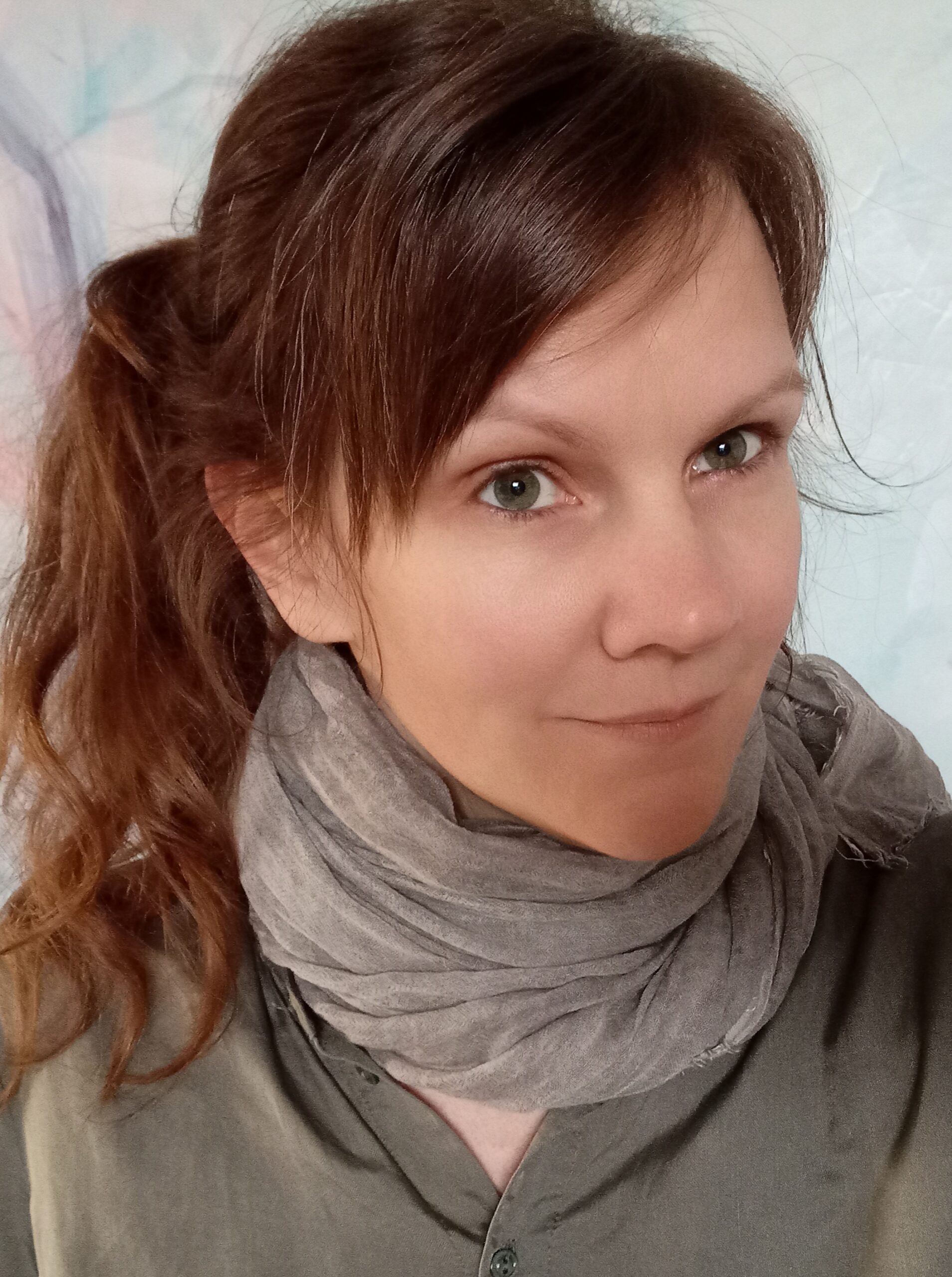
Hi, I’m Kathrin Zimmerer, supporting parents and professionals in making sense of neurodivergent children—so they can foster growth, confidence, and wellbeing.
My work is grounded in Jule Epp and Dr. Gordon Neufeld’s understanding of hypersensitivity – a neurological condition in which the brain’s natural “filter” remains too open, allowing an increased amount of sensory information to enter and be processed more intensely.
In this state, the brain is unable to block out most of the world’s sensory input. Instead of filtering out roughly 95% of background stimuli, the child is flooded with far more signals than their brain can manage.
In this sense, the child is living “without a skin” in relation to the outside world.
I walk alongside those who care for children, helping them navigate challenges with insight – not by managing behaviors, but by making sense of a brain that functions differently.
Insight Informs Response:
Seeing A Child from the Inside Out
Parenting a hypersensitive child begins with one essential element: insight. What we see determines what we do. How we perceive a child’s behavior directly shapes our responses. Without a deeper understanding of the underlying roots of that behavior, it’s easy to become confused, overwhelmed, or misled – seeing only the surface, not what truly lies beneath.
The interaction between adults and children is a daily, natural rhythm – an “ancient dance” that parents, grandparents, and educators share with the children entrusted to their care. True understanding awakens our natural intuition – a silent, wordless knowledge that has guided human relationships with children for millennia. When we learn to read children accurately, even when their behavior is challenging or confusing, our interactions become meaningful and grounded.
When we begin to understand the underlying dynamics, our responses start to flow naturally.
ALL GROWTH HAPPENS FROM A PLACE OF REST
In a world focused on pushing ahead an outcome-based behavior training, the relationship-based developmental approach offers a different path – a retreat to the beginning. Rather than trying to “fix” the brain or force it to be “normal”, we focus on creating the conditions that are conducive so that natural development can spontaneously unfold. Maturation is not something we can push or train into a cild. It is:
- spontaneous
- natural
- but not inevitable
Growth happens when die conditions are right. Our role as adults is not to fix the brain – but to create the conditions where development can unfold naturally.
This approach rests on two essential elements: RELATIONSHIP and PLAY.
RELATIONSHIP: A Place of Rest
Attachment is the most fundamental human need. For hypersensitive children – who often are continuously exposed to overwhelming sensory input – this need is especially vital.
My work supports caring adults in offering relationship as a place of rest by:
- Extending a generous invitation
Inviting the child into one’s presence and creating a safe emotional connection. - Bridging the gap
Using connection to reduce agitation and frustration. - Providing structure and guidance
Offering the support, orientation and organization the child’s brain cannot automatically generate on its own. - Collecting before directing
Learning how to gather the child’s attention and attachment instincts before expecting cooperation or change.
When a child feels held in relationship, defenses soften – and development can begin to unfold naturally.
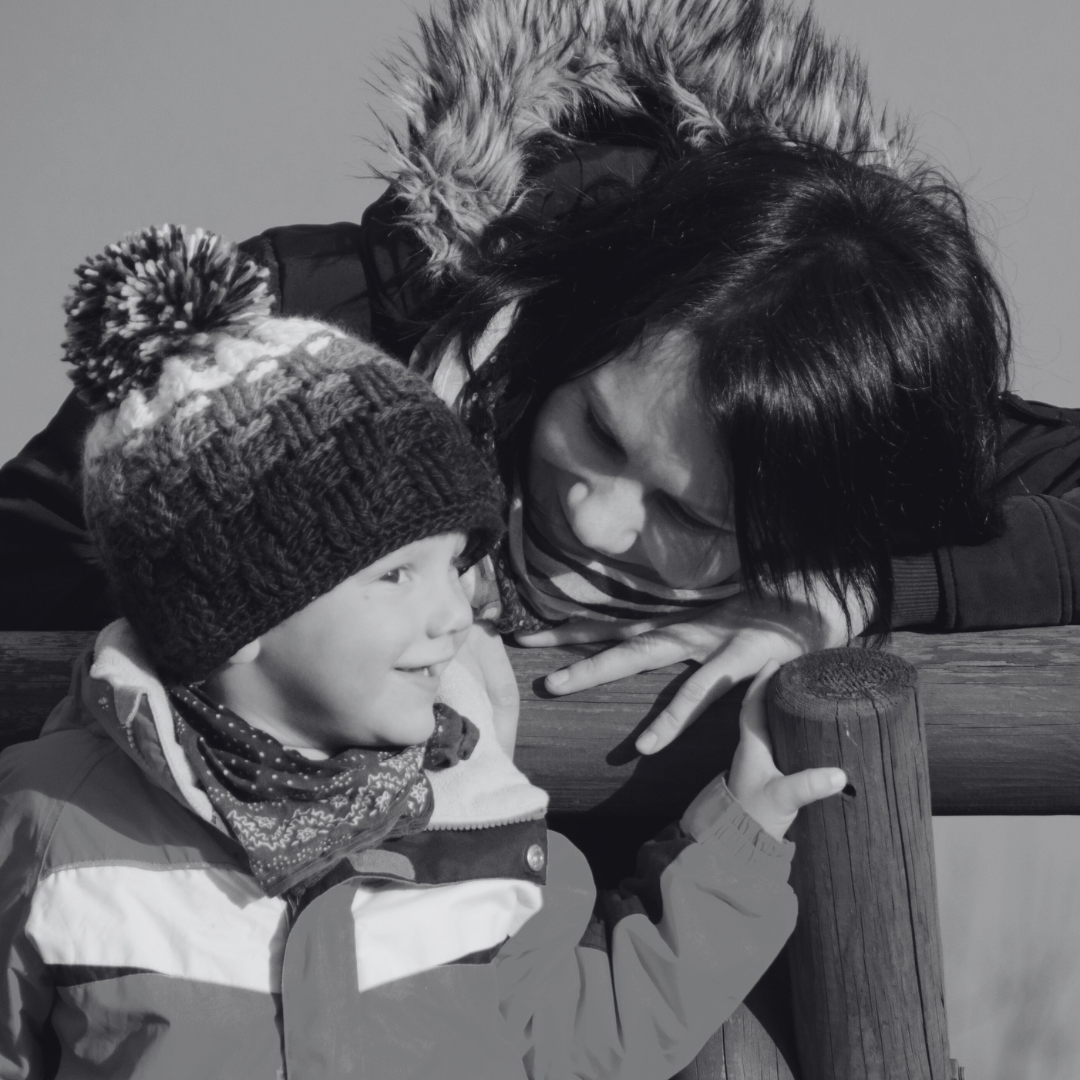
PLAY: Activated Rest
True play is what we might call “activated rest”. It is the only state in which a child’s brain can fully relax its defenses while remaining engaged. Play is not optional, nor is it a reward for good behavior – it is a fundamental biological need, as essential as the instinct to breathe.
In practice, play provides:
- A sanctuary for emotional integration
A safe space where children can freely express and explore their emotions without repercussions. - Opportunities for discovery
An environment that supports curiosity, creativity and learning, inviting children to explore their world. - Inviting togetherness through play
Playful engagement naturally draws children into connection and interaction. - “Fresh Snow” for neuroplasticity
While work mode can create deep “neural ruts”, play acts like fresh snow on a toboggan hill. It allows the brain to forge new pathways and discover workarounds.
Through play, nature works “incognito”: we cannot force a child to grow or mature, but within the playful context, growth and transformation can unfold spontaneously and naturally.

Kathrin Zimmerer
Parent Consultant | Neufeld Course Facilitator/Translator | Yoga Teacher
My way of seeing children on the autistic spectrum has been deeply shaped by my mentorship with Jule Epp, an autism expert, faculty member of the Neufeld Institute and Director of the German Language Program (Bil-BES). Through her guidance since 2016, I have been learning about the relationship-based developmental approach by Dr. Gordon Neufeld and exploring how these insights can support children in everyday life.
As part of the Bil-BES team I contribute to making key concepts from developmental science, attachment theory and emotional maturation accessible to both parents and professionals. Working closely with Jule Epp has deepened my understanding of the central role that attachment and play hold in the development of children on the autistic spectrum, while also strengthening my sensitivity to each child’s unique sensory profile and emotional needs.
As a yoga teacher, I draw on my knowledge of body awareness, sensory integration and restorative practices to help people recharge, relax and reconnect with themselves through breath-centered movement.
Personal experience: My work is deeply informed by my role as a mother of two sons – both hypersensitive. I embrace and celebrate their unique ways of perceiving the world and know firsthand the daily challenges – as well as the remarkable gifts – that children on the spectrum bring with them.
Research shows that the most important factor for emotional health and well-being is a strong, safe emotional connection with a caring adult.
Supporting children by supporting the environments in which they grow.
Book a Consultation – Free Initial Call
Development cannot be forced, but it can be fostered. Let’s work together to create the conditions where nature can do the rest.
- Individual Parent Consulting:
Navigate your child’s unique maze and find the “dance” that works for your family. - Educational Support:
For teachers and daycare providers seeking to create circumstances that are conducive for the child’s development.
The Process:
Each collaboration begins with a free initial consultation to understand your situation and intentions. Consultations are tailored individually and may take place online or in person.
Investment:
Consultations are offered on an individual basis. Details regarding format and fees are shared following your inquiry.
Privacy & Confidentiality
All conversations are treated with the highest level of confidentiality and in accordance with applicable data protection regulations.
FAQ
Supporting Hypersensitive Children to Flourish
What does it mean when we say a child is “living without a skin”?
This metaphor describes a neurological condition where the brain’s sensory gating system—the primary filter meant to block out 95% of irrelevant background “noise”—is left too open. Consequently, the child is flooded by more sensory signals than their brain can handle. A world that seems normal to us may feel like an overwhelming flood of chaotic, indecipherable input to them.
Why does my hypersensitive child have such a vivid memory for distressing events?
Most people have a brain that naturally filters out or “dims” memories of things that hurt their feelings to help them move on. In a hypersensitive brain, there is less protection against these signals. Because they lack the usual “dulling effect” of a healthy filter, they often have an exceptionally sharp and long-lasting memory for distressing events.
Why are hypersensitive children often so remarkably good at finding patterns?
To survive and stay sane in a world that feels like a swirling mix of sensory input, the hypersensitive brain often develops a strong ability to recognize patterns. The drive to create order within what feels like chaos can lead these children to develop a keen attention to details, routines, and systems – areas where certain inputs lead to reliable outcomes, such as mathematics or music.
Why do hypersensitive children often experience such profound sensory joy?
Because their sensory gating system is more open than average, these children possess an enhanced sensorium. While this openness can lead to sensory overload, it also allows them to taste more, smell more, and respond with greater intensity to light, sound, and touch. Unlike a typical brain, which filters out about 95% of sensory input, the hypersensitive brain lacks this natural “dulling effect.” As a result, these children experience a broader, more vivid spectrum of sensory information—precious ways of taking in the world that many others simply cannot access.
Supporting Hypersensitive Children at School
How can I create conditions in the classroom for hypersensitive children to thrive?
- Assume the Filter Task:
Since the child’s internal filter is compromised, teachers must assume the task of filtering out irrelevant noise and prioritizing what is meaningful for them. - Collect Before You Direct:
Always capture the child’s interest, a smile, or a nod before giving directions to ensure you are working within a relationship. - Collect the Ears:
If eye contact is too intense for the child, focus on “collecting the ears” by speaking warmly while looking slightly away. - Manage Stimulation:
Create “artificial blinders” and rituals to aid focus, such as specific times or places for projects that minimize interference. - Adult Orientation:
Prioritize an environment that is “adult-oriented” rather than “peer-based,” as nature intended for children to be cared for within a hierarchical relationship with an adult.